Source Manual Hand Press Citrus Reamer for Home Kitchen
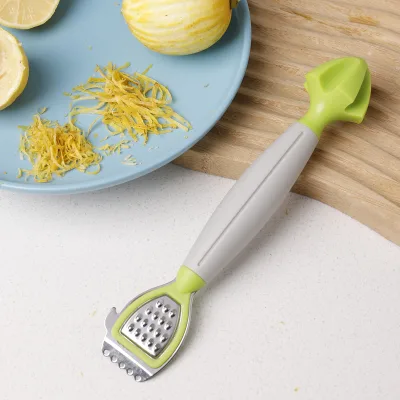
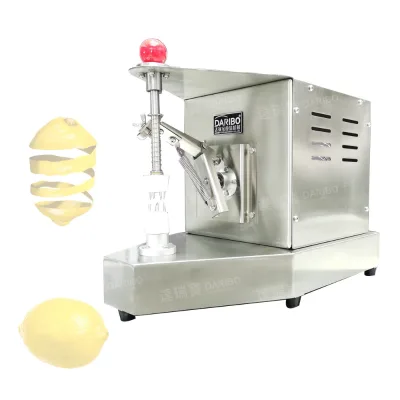
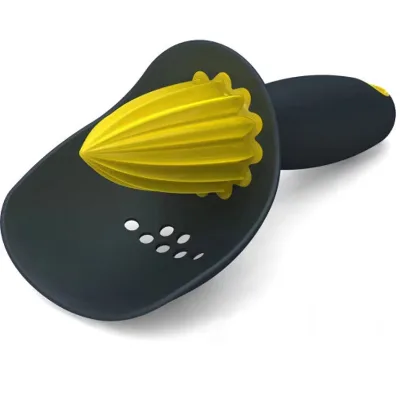
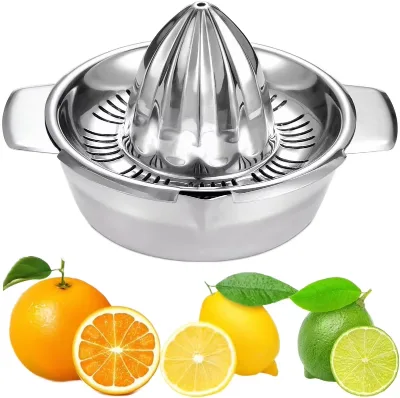
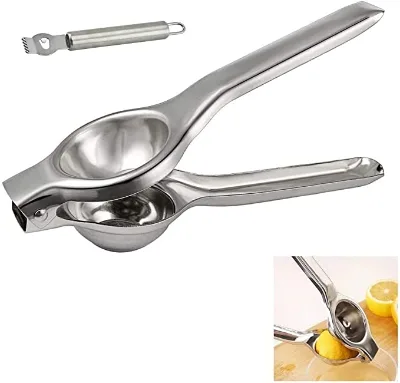
Compare 30 verified suppliers offering manual hand press citrus reamer tools for home kitchen use. Options include plastic, wood, and alloy materials with customizable logos and varying capacities under 10L.
Key considerations
Products List










Comprehensive Sourcing Guide
Strategic Sourcing Guide for Manual Hand Press Citrus Reamers
The global market for manual hand press citrus reamers presents a distinct procurement opportunity for buyers seeking durable, low-mechanization kitchen tools. These devices, often categorized under fruit and vegetable tools, rely on simple mechanical leverage to extract juice from lemons, limes, and oranges without the need for electricity. For B2B buyers, the sourcing process requires a nuanced understanding of material composition, manufacturing standards, and supply chain logistics. The following guide synthesizes available product data to provide a disciplined framework for evaluating suppliers and specifications, ensuring that procurement decisions are grounded in verified facts rather than marketing assertions.
Material Composition and Structural Integrity
The foundation of a reliable manual citrus reamer lies in its material selection. Market observations indicate a divergence in material usage, with products ranging from high-grade plastics to specialized metals. One prominent category utilizes smooth ABS plastic as the primary finish type, offering a lightweight and corrosion-resistant solution suitable for home kitchen environments. These units often feature a single-grade material composition, ensuring consistency in performance. Conversely, other segments of the market utilize high-speed steel or alloy blades, particularly for tools requiring higher durability or specific cutting geometries.
When evaluating a supplier, the buyer must verify the specific material grade. For instance, while some listings specify a "High Speed Steel" composition for cutting components, others rely on "Alloy" materials for structural strength. The distinction is critical because the intended usage mode—whether for heavy-duty commercial juicing or light home use—dictates the necessary material resilience. A product described as having a "Straight Shank" handle type often pairs with these metal components to ensure torque transfer during the squeezing mode. Buyers should request material test reports to confirm that the specified plastic or metal meets the durability claims associated with "Durable Kitchen Tools." The presence of a "Wood" material attribute in certain listings suggests a hybrid design or a specific niche product line, which requires separate verification regarding moisture resistance and structural stability in a wet kitchen environment.
Technical Specifications and Functional Design
Understanding the technical specifications is essential for aligning product capabilities with operational needs. The core functionality of these devices is defined by their "Squeezing Mode" operation, which distinguishes them from electric juicers or manual reamers that rely on rotation. The "Hand Reamer" classification indicates a design optimized for manual force application. Key dimensional specifications vary significantly across the supply base. Some units are categorized by size as "Middle," while others offer a broader range, such as a standard of "1mm to 20mm" for reamer heads, or specific model numbers like "K3413" and "K6175" that denote distinct geometries.
The capacity of the device is another critical technical parameter. Data indicates that certain models have a capacity of less than 10 liters, which is a vital metric for commercial buyers assessing throughput. The physical dimensions of the product, including the "Outer box size 554639cm" for bulk packaging, directly impact logistics planning. Furthermore, the "Work Type" is often described as "Cut off" or related to the extraction process, implying the mechanical action required to separate juice from pulp. Buyers must ensure that the "Handle Type" and "Alveolus Dentalis" (referring to the tooth structure of the reamer) are straight and designed for ergonomic efficiency. The "Straight" orientation of these features is a common observation, but the specific pitch and depth of the teeth should be verified against the intended fruit size to prevent slipping or inefficient extraction.
Compliance, Certification, and Safety Standards
In the B2B sector, compliance is non-negotiable. Suppliers of manual citrus reamers must adhere to international safety and quality standards. The supply chain data highlights specific certifications such as "RoHS" (Restriction of Hazardous Substances) and "ISO 9001:SGS." RoHS compliance is particularly relevant for products containing plastic or metal components, ensuring that hazardous materials like lead or mercury are not present in the final assembly. ISO 9001 indicates that the manufacturer maintains a quality management system, which is a strong indicator of process consistency.
However, buyers must exercise caution when interpreting these certifications. The presence of a certification label on a product listing does not automatically guarantee that every unit in a bulk order meets the standard. Verification should involve requesting current, valid certificates from the supplier and cross-referencing them with the specific model numbers, such as "hand press juicer manual fruit lemon juicer." Additionally, the "prod_standard" field in some listings references weight specifications, such as "355g" or "95g." While these are observations of specific units, they serve as a proxy for quality; a significant deviation from the standard weight could indicate material substitution or manufacturing defects. Buyers should also check for "Customizable" logo options, which often require additional compliance checks to ensure that inks or printing methods do not violate food-contact safety regulations.
Cost Drivers and Pricing Dynamics
The pricing structure for manual hand press citrus reamers is influenced by several variables, including material costs, customization levels, and packaging requirements. The observed price range in the market spans from $0.38 to $3000, a wide disparity that reflects the difference between basic plastic models and specialized, high-volume industrial units. The lower end of the spectrum typically corresponds to simple ABS plastic reamers with minimal packaging, such as a single piece in a plastic box. The higher end may involve complex alloy constructions, custom branding, or specialized packaging like wooden cases.
Minimum Order Quantity (MOQ) is a significant cost driver. The market data shows an MOQ range from 1 to 5000 units. Suppliers with lower MOQs may charge a premium per unit to cover setup costs, while high-volume orders often benefit from economies of scale. Packaging costs also play a role; for example, a "Color Box" is standard for retail-ready units, while bulk shipments might utilize a "CTN" (Carton) with a specific weight, such as "GW: 13KGS" for a container of 24 boxes. Buyers should analyze the total landed cost, which includes the unit price, packaging fees, and shipping logistics. The "0.1L: 1PC/Box, 24box/CTN" specification illustrates how packaging density affects the final cost per unit. Negotiating these terms requires a clear understanding of the buyer's volume requirements and storage capabilities.
Supplier Evaluation and Logistics Management
Selecting the right supplier involves a rigorous evaluation of their operational capabilities and geographic location. The supply base is predominantly located in China, with specific hubs identified as "Dongguan" and "Zhenjiang." Dongguan is known for its manufacturing ecosystem, while Zhenjiang may specialize in specific metalworking or tooling processes. Buyers should verify the "prod_origin" to ensure it aligns with their sourcing strategy regarding trade tariffs and supply chain resilience.
Lead time is a critical logistical factor. The data indicates a standard delivery time of "30 Days," but this can vary based on order volume and customization needs. For customized orders involving logo printing or specific material grades, the lead time may extend. Buyers must confirm the "Delivery Time" in the purchase agreement to avoid production delays. Furthermore, the "Condition" of the product is listed as "New," which is a baseline expectation, but buyers should specify packaging requirements to prevent damage during transit. The "Wooden Case" option for certain models suggests a need for robust protection, which adds to the shipping weight and cost. Evaluating a supplier's ability to meet these logistical constraints is as important as their product quality.
Quality Control and Long-Term Procurement Strategy
Implementing a robust quality control (QC) protocol is essential for maintaining product integrity. Given the "Customization" availability, buyers must establish clear specifications for the final product. This includes verifying the "Smooth ABS Plastic" finish, the "Straight" handle geometry, and the "Single Grade" material consistency. QC checks should focus on the mechanical function of the "Squeezing Mode," ensuring that the reamer does not slip or break under pressure. For metal components, inspection should verify the "Alloy" or "High Speed Steel" quality against the "1mm to 20mm" standard range.
Long-term procurement considerations involve building a relationship with suppliers who can scale with demand. The "Customized" and "Logo Printing" attributes indicate that suppliers are willing to adapt to brand requirements, but this requires clear communication of design files and approval processes. Buyers should also consider the "Capacity" of the supplier's production line to ensure they can meet future order volumes without compromising quality. The "355g" and "95g" weight standards serve as benchmarks for consistency; any deviation should trigger a re-inspection. Finally, maintaining a diverse supplier base can mitigate risks associated with regional disruptions, ensuring a steady supply of these essential kitchen tools.
Comparative Analysis of Product Attributes
To facilitate decision-making, the following table summarizes key attributes observed in the market, highlighting the variations buyers may encounter.
| Attribute Category | Observation A | Observation B | Observation C |
|---|---|---|---|
| Primary Material | Plastic (Smooth ABS) | High Speed Steel | Wood |
| Blade/Reamer Type | Alloy | Straight Shank | Cylindrical Reamer |
| Certification | RoHS | ISO 9001:SGS | None Listed |
| Packaging | Color Box | Single Piece in Plastic Box | Wooden Case |
| Origin | China (Dongguan) | China (Zhenjiang) | China |
| Standard Weight | 355g | 95g | 25-125mm (Size) |
| MOQ Range | 1 - 5000 | 1 - 5000 | 1 - 5000 |
| Lead Time | 30 Days | 30 Days | 30 Days |
This comparison underscores the diversity within the category. A buyer seeking a low-cost, high-volume solution might prioritize the Plastic/Color Box combination, while a premium brand might opt for the High Speed Steel/Wooden Case configuration. The "Green" color attribute is also noted in some listings, which may be a specific branding requirement. By carefully matching these attributes to their specific market segment, buyers can optimize their procurement strategy for maximum efficiency and cost-effectiveness.
FAQs
What materials are used for manual hand press citrus reamers?
Products typically use smooth ABS plastic, high-speed steel, or alloy blades. Some listings also specify wood or single-grade materials. Buyers must verify the specific material grade to ensure durability for home or commercial kitchen use.
Which certifications do suppliers provide for these tools?
Suppliers often provide RoHS and ISO 9001:SGS certifications. These ensure compliance with hazardous substance restrictions and quality management standards. Buyers should request valid certificates linked to specific model numbers like K3413 to confirm safety.
How does the MOQ affect the unit price?
The minimum order quantity ranges from 1 to 5000 units, influencing the final cost. Lower MOQs may carry a premium, while high-volume orders benefit from economies of scale. Pricing spans from 0.38 to 3000 USD depending on customization and volume.
Can buyers customize the logo and packaging?
Yes, logo printing and customization are available for most models. Packaging options include color boxes, plastic boxes, or wooden cases. Buyers must ensure printing methods comply with food-contact safety regulations when ordering custom branding.
What is the standard delivery time for orders?
The standard delivery time is typically 30 days. This duration may extend for customized orders involving specific material grades or logo printing. Buyers should confirm the exact delivery time in the purchase agreement to avoid production delays.
Which locations are the primary manufacturing hubs?
Manufacturing origins are primarily in China, with specific hubs in Dongguan and Zhenjiang. Dongguan is known for general manufacturing ecosystems, while Zhenjiang may specialize in metalworking. Buyers should verify the origin to assess trade tariffs and supply chain resilience.
What specifications define the reamer capacity and size?
Models vary from 1mm to 20mm in size with capacities under 10 liters. Weight standards include 95g or 355g depending on the specific unit. Buyers should check the outer box size and gross weight for accurate logistics planning.